PM Kisan 22nd Kist: Full list of eligible farmers released! Is your name on it?
PM Kisan Samman Nidhi Yojana की 22nd Installment (22वीं किस्त) को लेकर बहुत सारे किसान भाई इंतज़ार कर रहे हैं। यहाँ इसकी पूरी जानकारी Hindi और English के mix में दी गई है ताकि आप आसानी से समझ सकें

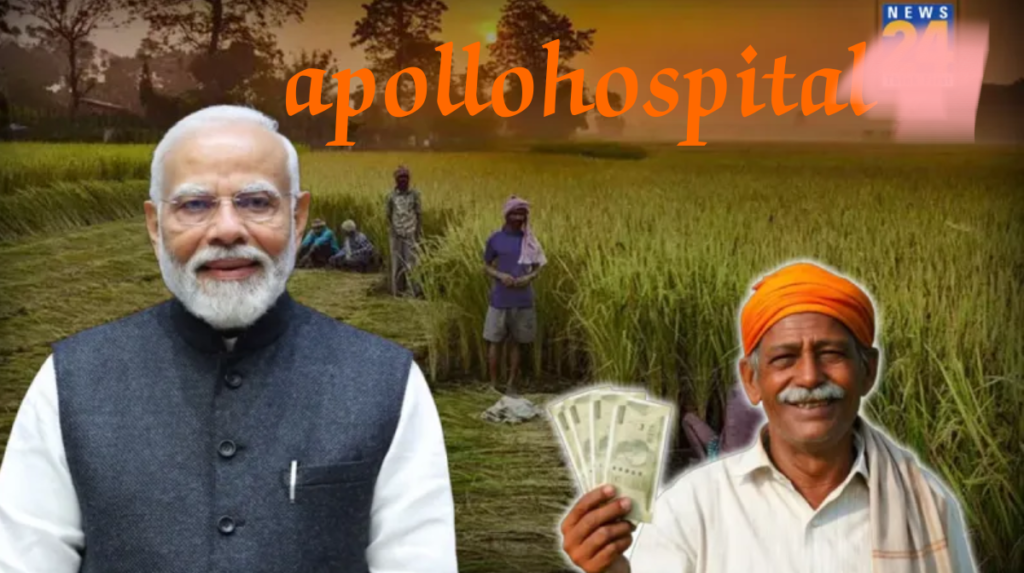
PM Kisan📅 Expected Date (संभावित तारीख)सरकार की तरफ से अभी तक कोई Official Date अनाउंस नहीं हुई है, लेकिन regular cycle के हिसाब से:Release Window: 22वीं किस्त February 2026 से March 2026 के बीच आने की पूरी संभावना है।Last Installment: 21वीं किस्त 19 नवंबर 2025 को जारी की गई थी। नियम के अनुसार, हर 4 महीने में पैसा आता है, इसलिए फरवरी के आखिरी हफ्ते या मार्च की शुरुआत में पैसा credit हो सकता है।
PM Kisan💰 Installment Amount (किस्त की राशि)हर बार की तरह इस बार भी ₹2,000 सीधे आपके बैंक अकाउंट में आएंगे (DBT – Direct Benefit Transfer के जरिए)।
PM Kisan⚠️ Important Checklist (ये काम तुरंत करें)अगर आप चाहते हैं कि आपकी 22nd Kist न रुके, तो ये 3 चीज़ें Check कर लें:e-KYC Mandatory: PM Kisan पोर्टल पर जाकर अपनी e-KYC पूरी करें। आप Face Authentication का उपयोग PM-Kisan Mobile App से भी कर सकते हैं।
PM KisanLand Seeding: सुनिश्चित करें कि आपके स्टेटस में ‘Land Seeding’ के आगे YES लिखा हो।Aadhaar-Bank Linking: आपका बैंक अकाउंट आधार से लिंक होना चाहिए और DBT (Direct Benefit Transfer) इनेबल्ड होना चाहिए।
PM kishan sir please send me money
🆔 New Rule: Farmer ID14 राज्यों (जैसे UP, Bihar, Rajasthan) में अब Farmer ID अनिवार्य (mandatory) कर दी गई है। अगर आप नए रजिस्ट्रेशन कर रहे हैं, तो इसके बिना पैसा नहीं आएगा।🔍 Status कैसे चेक करें? (How to Check Status)Official Website: pmkisan.gov.in पर जाएं।
Know Your Status: इस ऑप्शन पर क्लिक करें।अपना Registration Number और Captcha कोड डालें।वहाँ आपको पता चल जाएगा कि आपकी 22वीं किस्त के लिए FTO (Fund Transfer Order) जेनरेट हुआ है या नहीं।
The Pradhan Mantri Kisan Samman Nidhi (PM-KISAN) is a flagship Central Sector Scheme launched by the Government of India on February 24, 2019. Its primary objective is to provide financial stability to all landholding farmer families across the country, helping them cover agricultural inputs (like seeds and fertilizers) and domestic needs.
Core Benefits and StructureUnder this scheme, eligible farmers receive ₹6,000 per year. This amount is not given all at once but is divided into three equal installments of ₹2,000, released every four months (April–July, August–November, and December–March).
The funds are transferred directly into the bank accounts of the beneficiaries through Direct Benefit Transfer (DBT), ensuring transparency and eliminating middlemen.
PM kishan Eligibility and Exclusions
While the scheme initially targeted small and marginal farmers (with land up to 2 hectares), it was later expanded to cover all landholding farmers. However, certain groups are excluded, including:Institutional landholders.Income tax payers from the previous assessment year.
Government employees (excluding Multi-Tasking Staff/Class IV/Group D).Professionals like Doctors, Engineers, and Lawyers.Pensioners receiving more than ₹10,000 monthly.2026 Status & RequirementsAs of February 2026, the government is preparing to release the 22nd installment.
To ensure you receive your payment, two updates are critical:e-KYC Completion: It is mandatory for all registered farmers. This can be done via OTP, biometrics, or face authentication on the PM Kisan app.
Farmer ID: A unique “Farmer ID” is now mandatory for new registrations in 14 states (including UP, Bihar, Rajasthan, and Maharashtra) where the digital farmer registry has been implemented.
By maintaining updated land records and linking Aadhaar to their bank accounts, over 11 crore farmers continue to benefit from this vital income support system.
Agriculture is the backbone of India, with over 50% of the workforce involved in farming. Known as the “Annadata” (provider of food), Indian farmers play a critical role in the country’s food security and economy.
Key CharacteristicsSmallholdings: Approximately 86% of farmers are “small and marginal,” meaning they own less than two hectares of land.
Crop Diversity: They produce a massive variety of crops, making India a global leader in pulses, rice, wheat, and spices.Dependence on Monsoon: Despite advancements in irrigation, a large portion of Indian farming still relies on seasonal rainfall.
Challenges FacedClimate Change: Unpredictable weather patterns and extreme heatwaves impact crop yields.Debt and Markets: High input costs (seeds/fertilizers) and fluctuating market prices often lead to financial distress.
Modernization: While some regions use high-tech machinery, many still rely on traditional manual labor.Indian farmers are currently transitioning toward organic farming and digital tools to improve sustainability and income.


Hello I am Ayushkumar Chaudhari I am blogger as student and doing wordpress site blogging i completed my graduation Last year.